
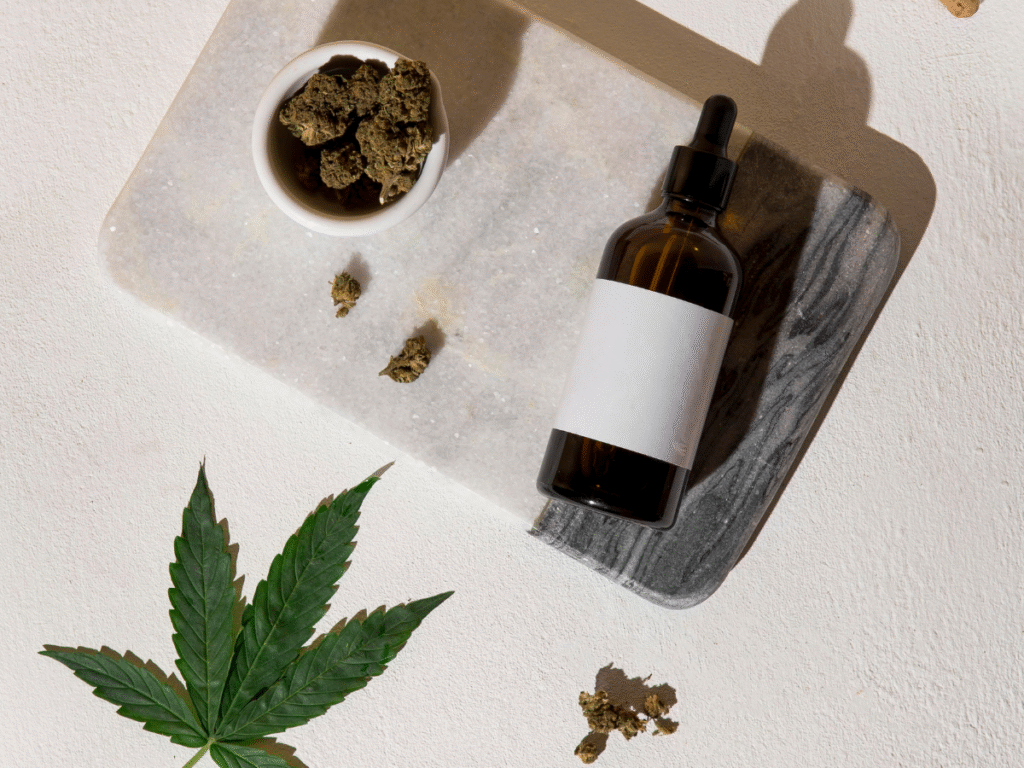
Choosing cannabis products can feel overwhelming when we have different formats, potency levels, and product labels to consider. Whether we are learning about cannabis for the first time or comparing familiar options, understanding how products differ helps us make informed decisions. By reviewing product information, learning about THC, and considering individual needs, we can approach cannabis shopping with greater confidence and care.
At Green Nation Dispensary, understanding THC products begins with learning about their characteristics and the importance of responsible use. THC, or tetrahydrocannabinol, is one of the primary compounds found in cannabis. It can affect perception, memory, coordination, and mood. Its effects vary depending on the product, amount consumed, consumption method, and individual response.
Understanding THC Products and Their Main Characteristics
THC products contain tetrahydrocannabinol, a cannabinoid found in the cannabis plant. Delta-9-THC is the primary intoxicating compound associated with cannabis. It interacts with the body’s endocannabinoid system and can produce different effects depending on the amount consumed and the individual’s sensitivity.
These products are available in several forms, including dried cannabis flower, edibles, oils, concentrates, and vape products. Each category has distinct characteristics that influence how THC is delivered and how quickly its effects may begin.
When comparing options, we should consider more than the product name or advertised potency. THC concentration, serving size, ingredients, and consumption method all matter. Reading labels carefully gives us a clearer understanding of what a product contains.
Cannabis affects people differently, so a product’s listed potency cannot guarantee a particular experience. Understanding these differences helps us make more informed decisions when reviewing available options.
Common Types of THC Products
Cannabis products come in several forms, each with different characteristics and methods of consumption. Understanding these categories helps us compare their composition, potency, and intended use.
Dried Cannabis Flower
Dried cannabis flower consists of harvested cannabis buds that have been dried and prepared for sale. It is commonly consumed by smoking or vaporizing, where permitted.
Flower products can differ in aroma, cannabinoid content, and terpene profile. Product labels may list THC as a percentage, indicating its concentration in the dried material. A higher percentage does not automatically mean a better experience, as the amount consumed also affects THC exposure.
When reviewing dried flower, we can check the labeled potency, packaging information, and available testing details. We should also consider the respiratory risks associated with smoking cannabis.
Cannabis Edibles
Edibles are products containing cannabis extracts or cannabinoids that are intended to be eaten or consumed orally. Depending on the legal market, examples may include gummies, chocolates, and baked goods.
Edibles differ from inhaled cannabis because the body processes THC through the digestive system and liver. Effects may take 30 minutes to two hours or longer to become noticeable, and they can last considerably longer than the effects of inhaled cannabis.
Packaging may identify the total THC content in the package and the amount per serving. We should review both figures carefully and avoid consuming additional amounts too soon because the effects may be delayed.
Edibles should also be stored securely away from children and pets, particularly when their appearance resembles ordinary food.
THC Oils and Tinctures
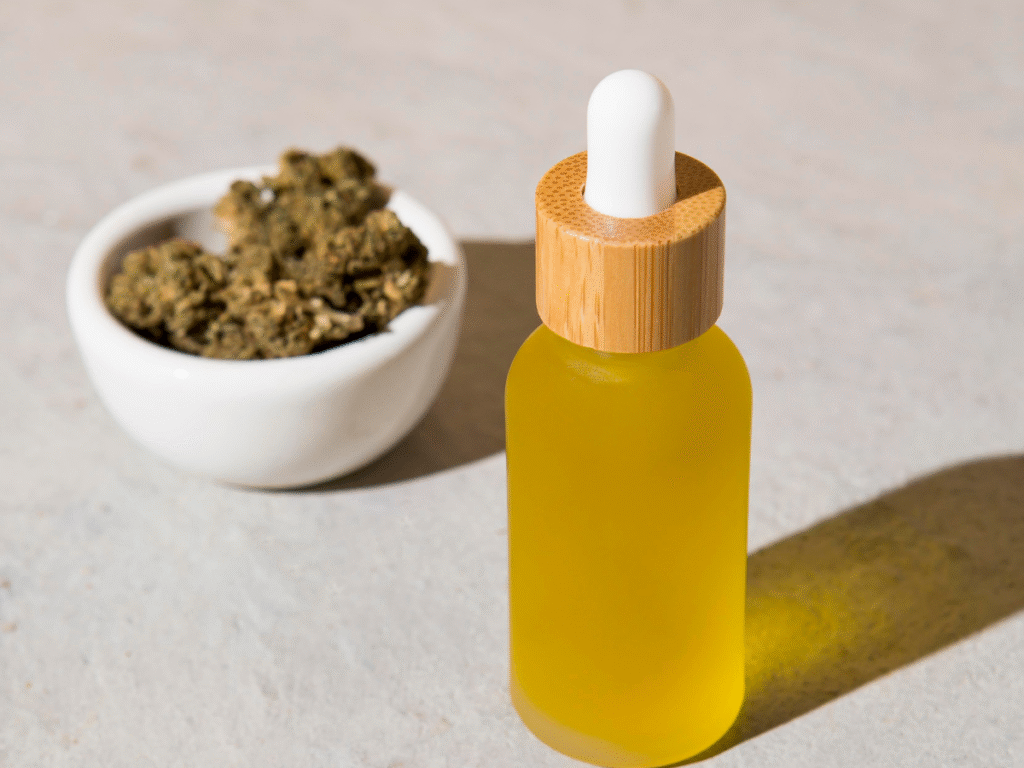
Cannabis oils and tinctures are liquid products that may contain THC in measured concentrations. Depending on the formulation, they may be intended for oral consumption or another specified method of administration.
Labels may express THC concentration in milligrams per milliliter or per serving. These measurements are not interchangeable, so we should understand the difference before comparing products.
We should follow the product’s stated directions and use it only as intended. Cannabis oils designed for oral consumption should not automatically be assumed suitable for inhalation.
Cannabis Concentrates
Concentrates are made by extracting or concentrating compounds from cannabis. Examples may include wax, shatter, and other concentrated preparations.
These products can contain substantially higher THC concentrations than dried flower. Consequently, a small quantity may contain a considerable amount of THC. Careful label review is particularly important for high-potency products.
We should understand the product’s composition, intended use, and associated risks before considering this category. Higher THC exposure can increase the likelihood of unpleasant effects, including anxiety, confusion, and impaired coordination.
THC Vape Products
Vape products heat cannabis oil or other compatible formulations to produce an inhalable aerosol. Depending on the product and applicable regulations, they may be sold in cartridges or disposable devices.
When reviewing vape products, we should check the cannabinoid content, ingredients, manufacturer information, and relevant testing details. Products from unregulated sources may contain contaminants or ingredients that have not been adequately assessed for inhalation.
Vaping cannabis is not risk-free. We should avoid products with unclear ingredients or unverifiable origins and follow local laws governing their purchase and use.
How to Read THC Product Labels
Product labels provide important details that help us compare cannabis options. Taking time to review the packaging can reduce confusion and support informed purchasing decisions.
Check the THC concentration. Labels may display THC as a percentage, milligrams per serving, or total milligrams per package. These measurements describe different things, so we should compare equivalent figures when reviewing products.
Distinguish total THC from THC per serving. A package may contain multiple servings. The total amount listed on the package is not necessarily the amount in one serving. This distinction is especially important for edibles and liquid products.
Review the ingredient list. Some products contain additional ingredients, flavorings, carrier oils, or other cannabinoids. Checking these details helps us understand the product’s composition and identify ingredients we may need to avoid.
Look for testing and manufacturer information. Where applicable, packaging may provide batch numbers, testing details, or information about the producer. These details can help us assess whether a product comes from a regulated supply chain.
Check storage instructions and packaging dates. Product quality can be affected by time and storage conditions. Following the manufacturer’s recommendations helps maintain the product according to its intended specifications.
If information appears incomplete or inconsistent, we should seek clarification rather than make assumptions about the product’s contents or effects.
Responsible THC Use and Storage
Understanding product information is only one part of responsible cannabis use. We should also recognize that THC can impair judgment, reaction time, memory, and coordination.
We should never drive, operate machinery, or perform safety-sensitive tasks while impaired. Combining cannabis with alcohol or other intoxicating substances can increase impairment.
THC is not suitable for everyone. Adolescents and young adults face particular concerns related to brain development, and cannabis use during pregnancy or breastfeeding is not recommended. People with certain medical or psychiatric conditions, or those taking medications, should consult a qualified healthcare professional before using THC.
Safe storage is also important. We should keep cannabis products in their original, clearly labeled packaging and store them securely away from children, pets, and anyone who should not access them. Edibles require particular care because they may resemble ordinary food.
We should also check the laws that apply to our location. Minimum purchase ages, permitted products, possession limits, and rules governing public consumption vary by jurisdiction. Purchasing through legally authorized channels helps us access products subject to applicable requirements.
Making Informed Choices About THC Products
Understanding cannabis starts with knowing what a product contains, how it is intended to be used, and what risks may accompany its consumption. Dried flower, edibles, oils, concentrates, and vape products differ in potency, formulation, onset time, and duration of effects. Reading labels and comparing these characteristics helps us approach purchasing decisions with greater awareness.
We can make more responsible decisions by checking THC concentrations, reviewing ingredients, considering individual sensitivity, and following local regulations. Rather than focusing on potency alone, we should pay attention to the complete product description and avoid assuming that any format is free from risk.
At Green Nation Dispensary, informed cannabis shopping begins with clear information and thoughtful questions. By taking time to understand THC products and their differences, we can make more informed decisions based on product characteristics, safety considerations, and the information available. Visit https://greennationdispensary.com/ to learn more about available cannabis products and get the information you need to make informed purchasing decisions.